Text Prompt
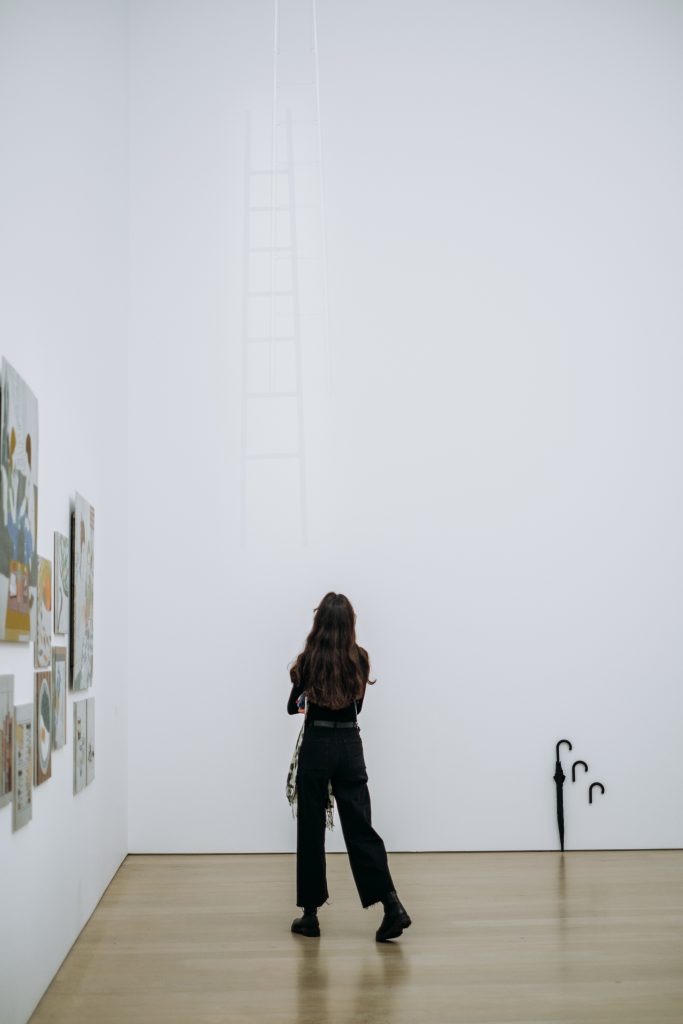
“Extraordinary in Ordinary”- pick an ordinary object and make it extraordinary. You can do it by giving it some special attributes or a different background and story.
Contributed by Bhasha Dwivedi.
Image Prompt:
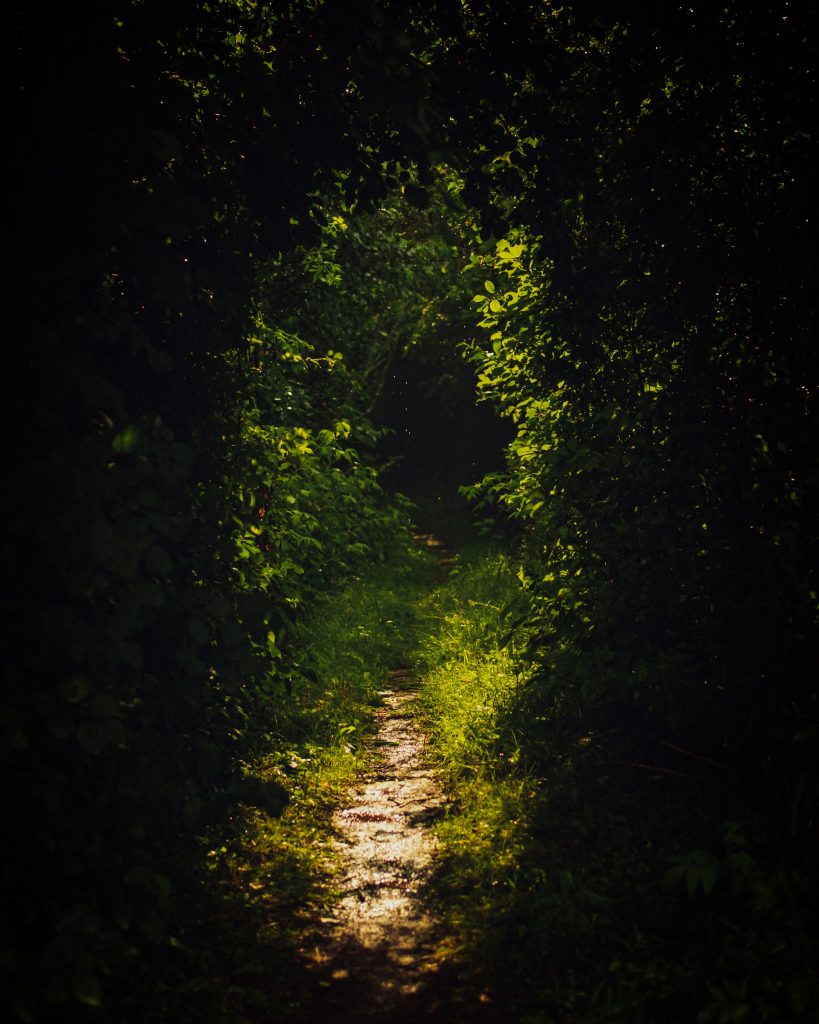
Photo by Tim Foster
24 Poems ~ 24 Hours

Text Prompt
“Extraordinary in Ordinary”- pick an ordinary object and make it extraordinary. You can do it by giving it some special attributes or a different background and story.
Contributed by Bhasha Dwivedi.
Image Prompt:
Photo by Tim Foster
Text Prompt
The first three words of your title should be “what is love”. That can be your whole title, in and of itself, probably followed by a question mark, or you can add more context onto the title before proceeding to the poem itself.
Image Prompt
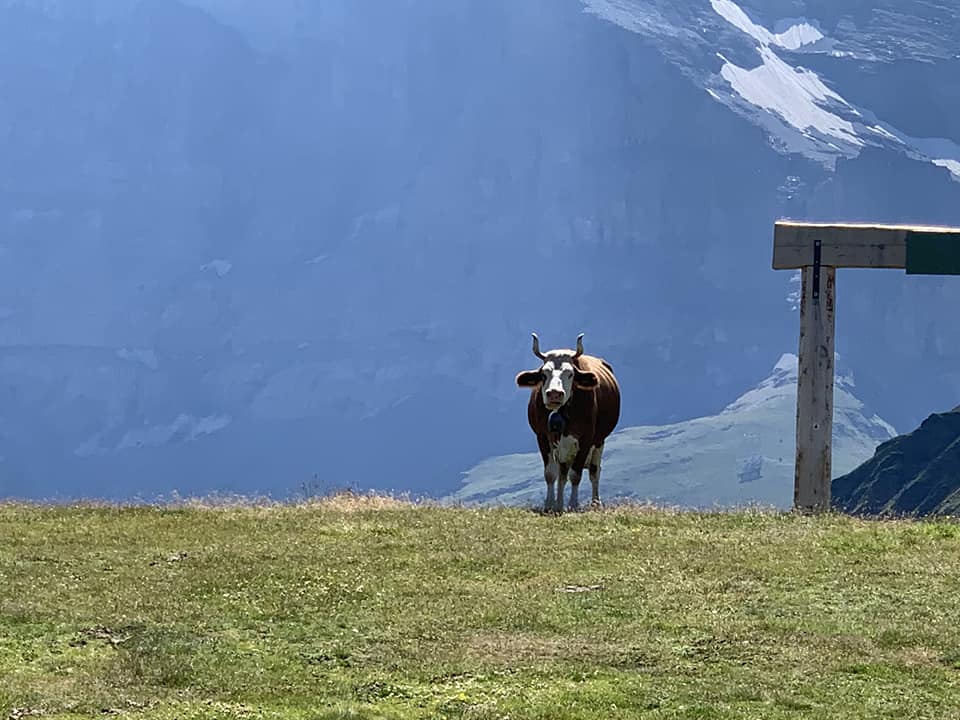
Photo by Andrew Shaughnessy
Text Prompt:
Below is a list of ten words. Please pick at least five of them to use in your poem. If you want to use all ten, please do so.
beet
jacket
tremor
bayou
elbow
lightbulb
cinnamon
bucket
elk
carport
Image Prompt
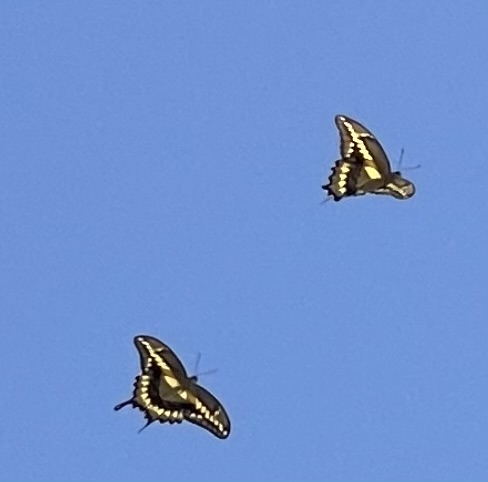
Photo by Diane Carmony
(Not exactly a) Text Prompt
Every year I include a song prompt. The idea is that you start the song and write a poem while listening to it, starting the song over as needed (or not). There have been protests in the past when I include one with lyrics, so this year I’ve included one with lyrics that you can listen to here and one without, which you can listen to here. No titles or artists given to increase the element of surprise.
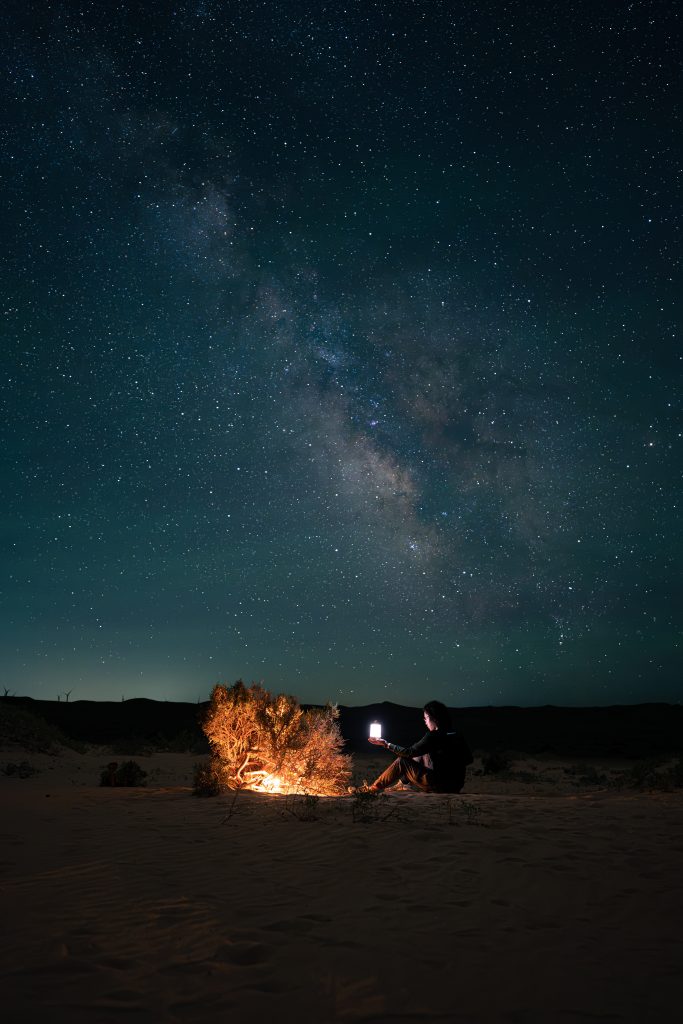
Image Prompt
Text Prompt:
Every year I made sure to include at least one formal poem. The viator is a poetic form invented by Robin Skelton. I first encountered it as part of Robert Lee Brewer’s Writer’s Digest Poetic Forms Friday series.
It’s a pretty simple form where the first line is used again as refrain in the second line of the second stanza, and the third line of the third stanza, and so on and so forth depending on how many stanzas you include.
The last line of the final stanza must be the refrain, so you start and end on it.
To learn more about this form, and read a sample poem, go here.
Image Prompt:
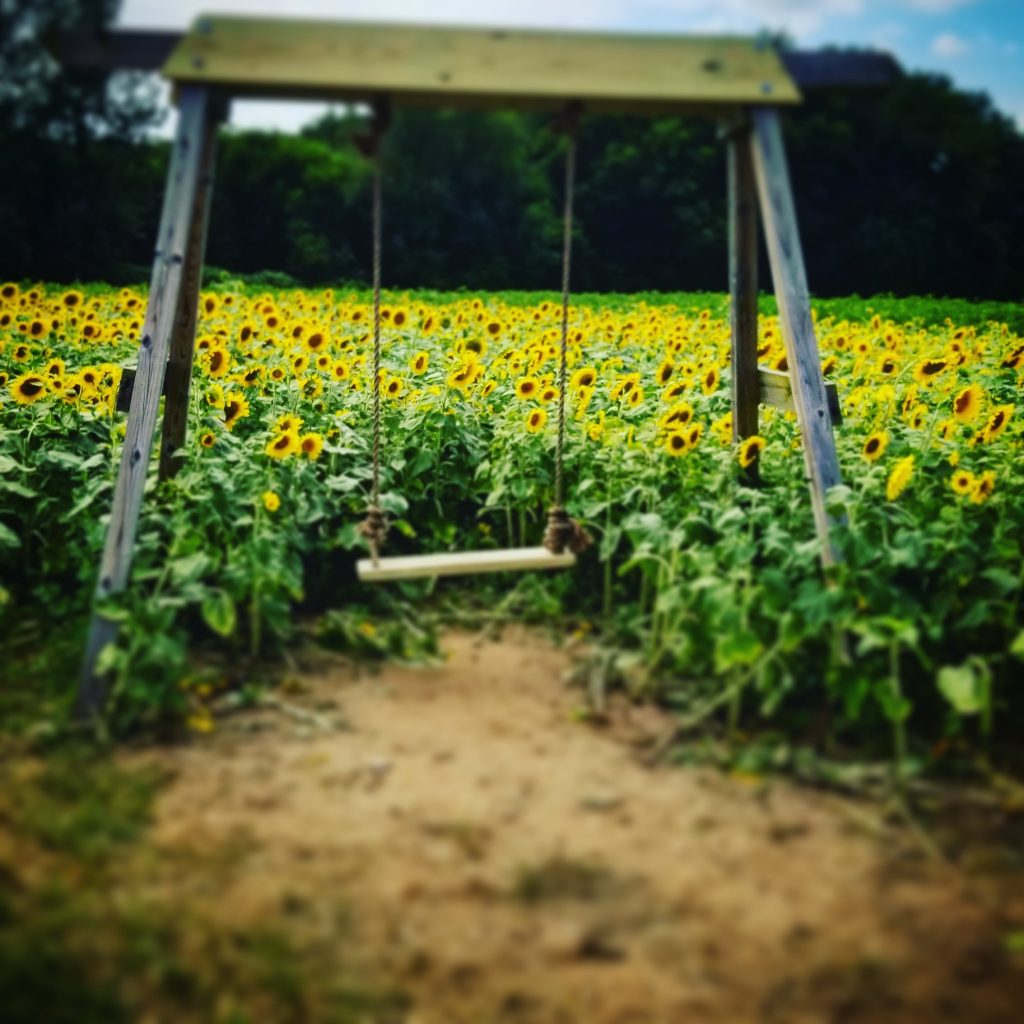
Photo by Martin Torrez
Text Prompt
The earth is actually flat, you look over the edge and what do you see? Describe it.
Disclaimer: I am in no way, shape, or form a flat-earther.
Image Prompt
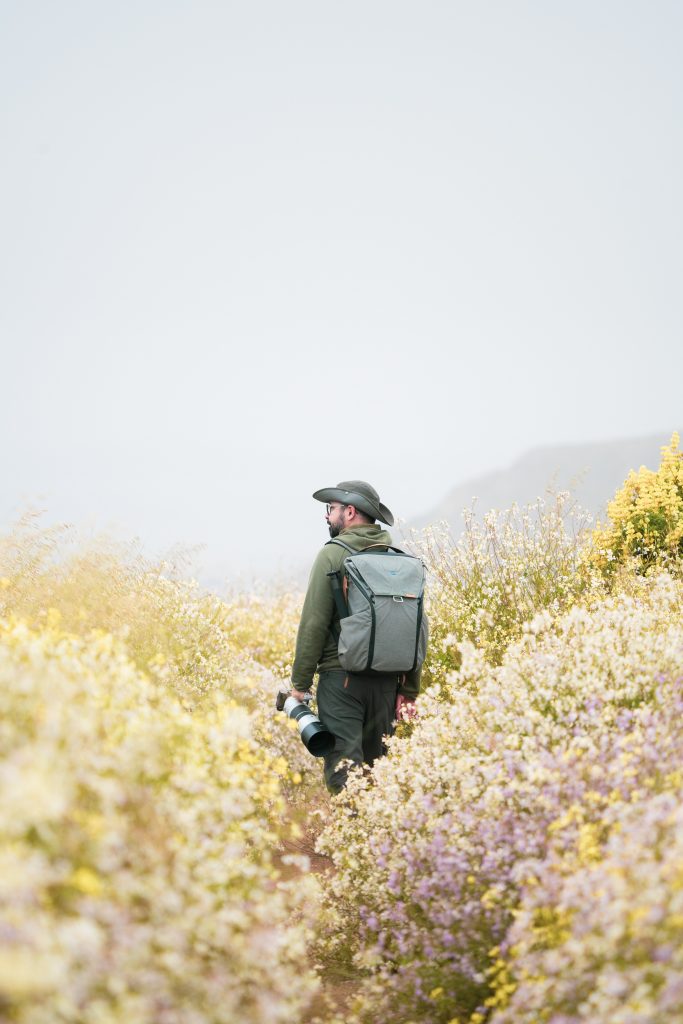
photo by Y S
Text Prompt:
Write a mystery poem. The crime could be real or imagined. The poem could be clue based or narrative. The details are up to you.
Image Prompt:
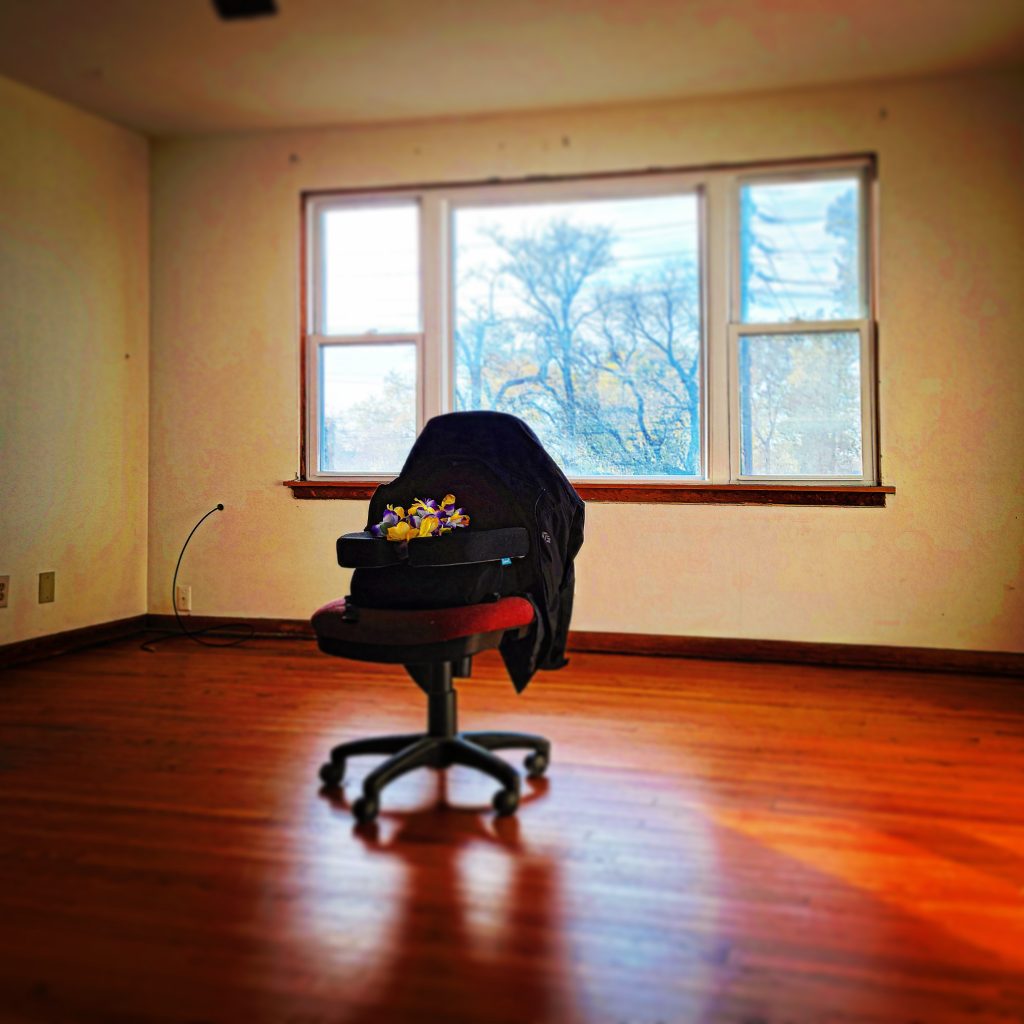
By Martin Torrez
Text prompt:
Nancy Anne Smith suggested this subject for a prompt we do every year. Your challenge is to write a poem about the topic of marriage, without ever using the word marriage, and while also ideally avoiding the words spouse, husband, and wife.
Image prompt:
Text Prompt:
This prompt called Twenty Little Poetry Projects and was suggested by Lexanne Leonard, but was created by Jim Simmerman and is called Twenty Little Poetry Projects and was originally published in The Practice of Poetry. If you don’t think you can complete it in the hour feel free to stop at the half way point.
Image Prompt:
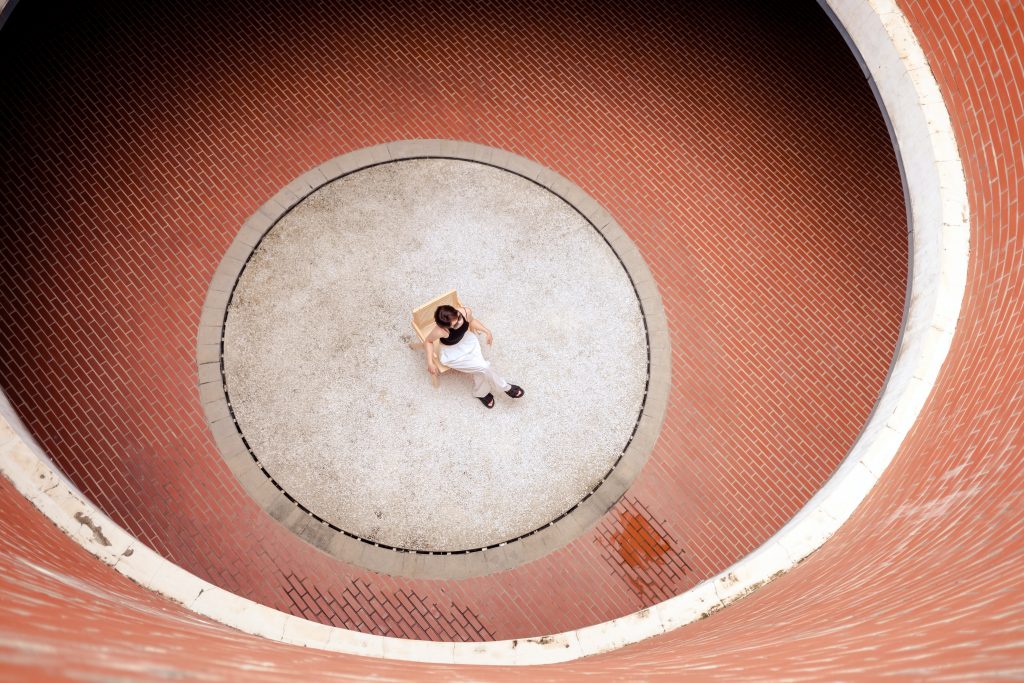
By Frank Ching
Text Prompt:
Write a poem from the point of view of yourself, ten years ago.
Image Prompt: